
Our Insights
From discovery to delivery:
Namibia’s Orange Basin needs discipline
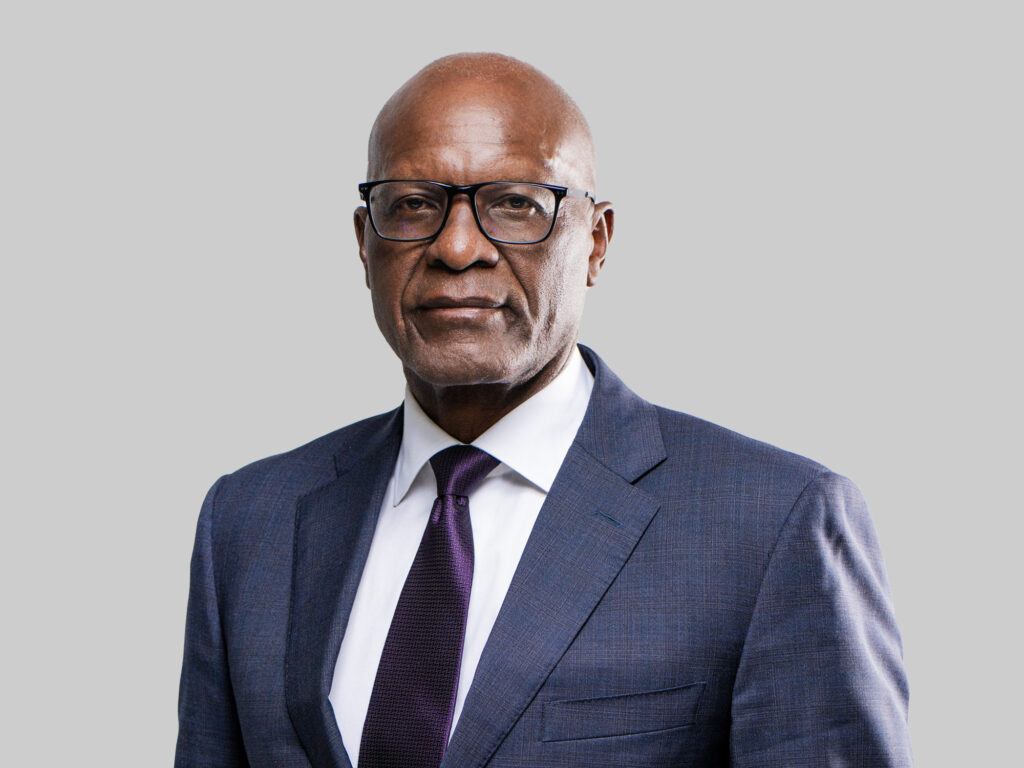

By Tom K. Alweendo, CEO, Alvenco Advisory
Namibia is closing the year with its offshore oil story entering a more serious phase. On 9 December 2025, TotalEnergies agreed an asset swap with Galp that makes TotalEnergies the operator of the Mopane discovery in PEL 83. The partners plan further appraisal drilling from 2026. On 11 December 2025, Reuters reported that Shell and partners are preparing a new Orange Basin drilling campaign starting in April 2026.
Those developments signal intent: majors are consolidating positions and preparing the next round of wells. The right year-end question is simple: how do we turn discovery headlines into disciplined delivery that is good for citizens, bankable for investors and legitimate in the eyes of the region and the world?
A deep-water province can be a national asset or a national distraction. It can fund water systems, roads and skills, or it can inflate expectations, weaken budgets and raise tension. The difference is discipline: in project execution, in fiscal choices and in governance.
The opportunity is real, but so is the downside risk. The Orange Basin has drawn attention because of scale and clustering potential. Neighbouring discoveries can support shared logistics and services, lowering unit costs and
improving competitiveness. But we must keep our feet on the ground. The country has not yet produced oil. First production is still years away, and schedules will move as engineering, approvals, gas handling and financing are settled. Deep-water projects are capital-intensive and technically complex, and globally they take time.
For policymakers, the main risk is spending money that has not arrived. The temptation is to borrow, hire and build as if revenues are guaranteed. That is how otherwise sound countries fall into boom-bust politics. The safest stance is to treat early volume estimates and revenue forecasts as scenarios. Plan for them, but do not justify irreversible fiscal decisions with them.
For investors, the biggest risk is often above-ground execution. We must show that fiscal rules, approvals, contract practices and dispute resolution are
predictable enough to support multi-decade investment. If the rules look uncertain, investors price that risk into the cost of capital. Higher capital costs reduce competitiveness and delay projects.
If Namibia wants the Orange Basin to become a durable production hub, it should put three guardrails in place in 2026 to move Namibia from hype to a production hub. They lower downside risk, preserve option value, and strengthen legitimacy.
1) Keep the fiscal framework stable, predictable and capacity-backed. A fair government take is not the same as an unpredictable take. Investors can price
a rules-based regime. They struggle when terms are repeatedly reopened, approvals appear discretionary, or administration is thin.
Namibia should make a clear commitment: no surprise tax grabs, no opaque “special deals”, and no rushed amendments that invite long disputes. If reforms are needed, they should be consultative, published and phased, with transition arrangements that protect both the state and existing investors. The aim is competitive deep-water terms that still capture upside when profits are high.
Capacity matters as much as the law. As activity rises, we will need strong technical and commercial skills in the regulatory, environmental and revenue authorities. Weak capacity is expensive: it creates delays, poor contract outcomes and revenue leakage.
2) Treat local content as a capability plan. Local content is where offshore projects earn onshore legitimacy. It is also where good intentions can backfire. If targets are set far above local capacity, project costs rise and schedules slip. Firms import through workarounds. Citizens see promises broken, and trust declines.
The draft Local Content Policy is a useful starting point. Now turn it into acapability plan that investors can execute. Publish a baseline of local supplier capacity. Set staged targets linked to training, certification and safety standards. Make procurement reporting transparent so progress is visible and the playing field is fair.
Focus on areas where we can build durable advantage: safety skills, marine services, fabrication standards, environmental monitoring and local enterprise development that meets international quality thresholds.
3) Lock in revenue governance before the first dollar arrives. Strong governance is easiest to build before money flows. Once revenues are large, politics harden and reform becomes harder. The IMF has advised Namibia to strengthen its natural resource management framework and sovereign wealth fund arrangements to safeguard long-term stability. That sequencing is correct.
We already have the Welwitschia Sovereign Wealth Fund. For petroleum, its mandate should be sharpened: stabilisation first, savings second. Development spending should happen through the normal budget process, with
parliamentary oversight and audited reporting. Clear deposit and withdrawal rules reduce volatility and political conflict.
Transparency should become normal early: publish key contracts and licences, disclose material payments to the state, and adopt recognised transparency norms. This is not about pleasing outsiders. It is about protecting legitimacy and lowering the governance risk premium.
With these guardrails, Namibia can offer investors a clear pact: predictable rules, competent administration and a credible pathway to local participation. In return, investors should commit to high safety and environmental standards,transparent procurement and serious supplier development.
Associated gas deserves special discipline. If gas volumes are material, we should not treat gas as an afterthought. Early planning is needed on gas handling, domestic demand options and possible regional routes. The point is to preserve options and avoid locking in to a costly path that later proves misguided.
The private sector is positioning for the next phase of drilling. We should respond with equal seriousness: stable rules, realistic local content built on capability and revenue governance designed before cash starts to flow. That is how policymakers and investors “do the right thing”: protect the downside, preserve option value and deliver results.